
Understanding Adult ADHD
ADHD doesn’t suddenly appear in adulthood.
For many adults, ADHD is a brain that has been quietly compensating for years until stress, hormones, and life demands make that much harder to sustain.
My Approach
Supporting ADHD isn’t about trying harder, it’s about working with your brain, not against it. My approach is thoughtful, practical, and designed around how your mind and energy naturally work. I focus on clear, simple steps that reduce overwhelm, support focus, and make everyday life feel lighter and more manageable.
Curiosity and understanding guide everything I do. I take the time to learn about your unique challenges, patterns, and strengths because ADHD shows up differently for everyone. Using science-backed strategies and personalised guidance, I help you build routines, structure, and supports that truly fit your life.
My process is gentle but intentional. I prioritise your experience, energy, and nervous system regulation at every step. The goal isn’t just to get things done. It’s to create sustainable change, build confidence, and help your brain thrive.

ADHD in Adults is Often Hidden
Many adults with ADHD have had symptoms earlier in life but found ways to cope. They used structure, effort, or overachievement to manage and appeared highly capable while quietly working harder than others. Over time, as life gets more complex with work pressure, kids, mental load, stress, and hormonal changes, those coping strategies can stop working. Suddenly, symptoms feel louder. This is why ADHD often “hides behind competence.
It’s About Brain Function, Not Willpower
Many adults with ADHD have had symptoms earlier in life but found ways to cope. They used structure, effort, or overachievement to manage and appeared highly capable while quietly working harder than others. Over time, as life gets more complex with work pressure, kids, mental load, stress, and hormonal changes, those coping strategies can stop working. Suddenly, symptoms feel louder. This is why ADHD often “hides behind competence.
ADHD in Women
ADHD often shows up differently in women, and many go undiagnosed for years because they mask their symptoms so well. Instead of being labelled “hyperactive,” women are more likely to internalise challenges, overthink, feel emotionally overwhelmed, be highly self-critical, or struggle with anxiety and perfectionism. They cope, often appearing capable, until the strategies they rely on start to fail. Hormones also play a huge role. Oestrogen supports dopamine, focus, mood, and motivation, so as it fluctuates and declines during perimenopause, symptoms like brain fog, emotional reactivity, poor focus, and exhaustion can intensify. On top of that, the chronic mental load women carry, managing invisible labour, emotional responsibilities, and decision-making for everyone else, places extra demand on an ADHD brain. The combination of hormonal shifts and persistent mental load can easily lead to burnout, which is why many women only recognise their ADHD once their coping strategies are no longer enough.

-
Stress, poor sleep, blood sugar dips, inflammation, head injuries, and nutrient deficiencies can all make symptoms worse. Many adults notice, “I used to cope better.” That’s not imagination, the brain simply had more capacity before.

-
What clinicians like Dr. Daniel Amen have shown is that ADHD symptoms can improve when the brain is supported in the right ways. This includes supporting blood flow, stabilising blood sugar, reducing inflammation, prioritising sleep, and calming the nervous system. Multiple systems influence the brain, so addressing these areas together can create meaningful change.

-
ADHD support is not about trying harder, it’s about working with your brain. This includes eating consistently to stabilize blood sugar and support neurotransmitters, supporting gut health for better energy and mood, nourishing the brain with protein, healthy fats, and key minerals, managing energy rather than time, and incorporating gentle movement, rest, and strategies to reduce decision fatigue. When the foundations are supported including sleep, nutrition, stress regulation, and nervous system health, daily life feels lighter and more manageable.
Could your gut be affecting your ADHD?
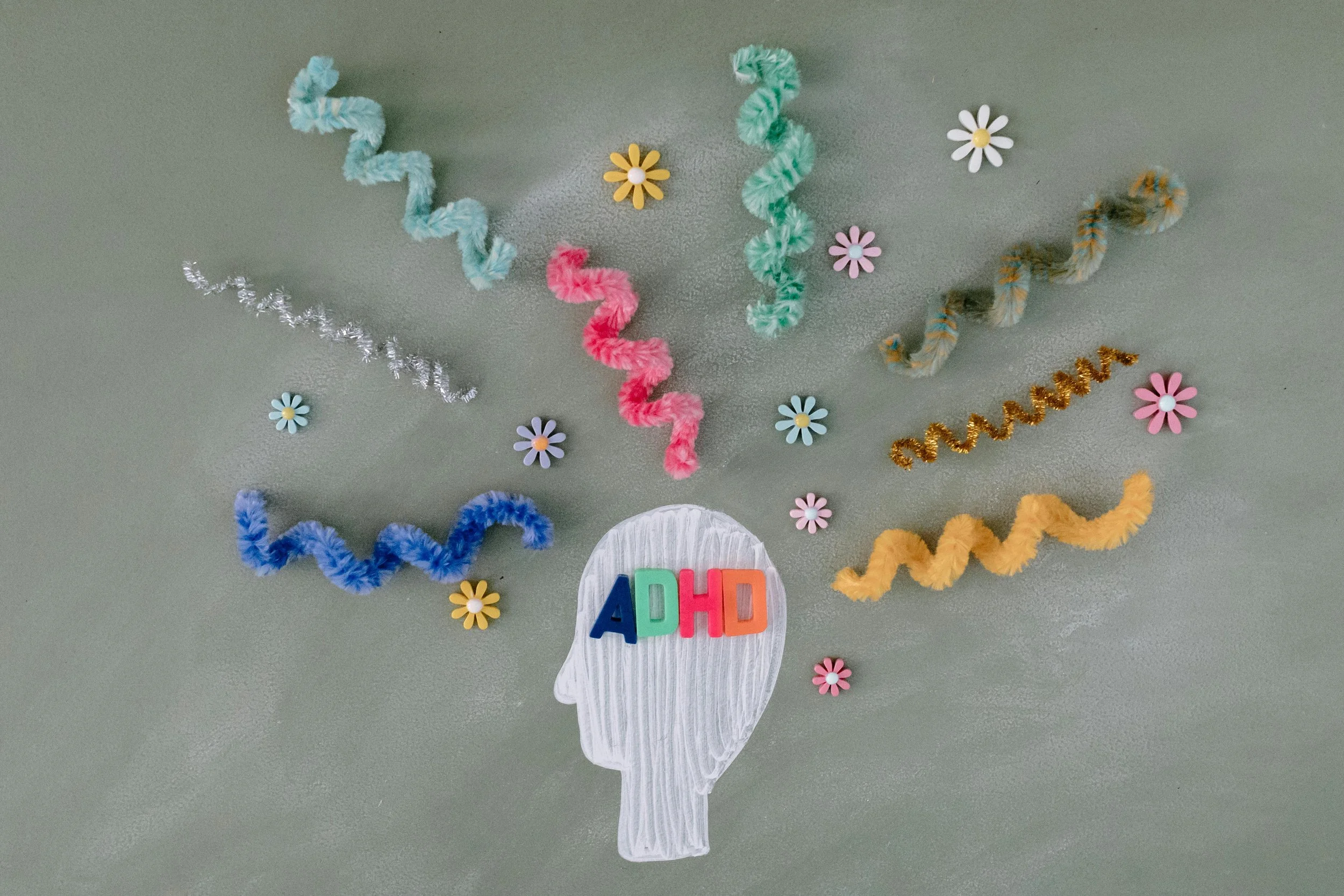
Even if you’ve made big changes to your diet and lifestyle, an imbalanced gut microbiome can quietly hold you back and is often the missing piece of the puzzle when it comes to focus, energy, and mood. A healthy gut is supported by good food, balanced stress levels, and mindful choices, while pathogens, food sensitivities, antibiotics, medications, chronic stress, and poor sleep can disrupt it. When the gut is out of balance, it can trigger inflammation, disrupt hormone function, slow metabolism, and reduce nutrient absorption, all of which directly influence neurotransmitters and brain function. Increased intestinal permeability, often called leaky gut, allows undigested food, bacteria, and toxins to enter the bloodstream, leading to immune reactions, systemic inflammation, and neurological challenges such as ADHD, anxiety, or depression. The ripple effect can include hormone imbalances, metabolic strain, and brain fog, making everyday life feel harder. Simply put, supporting digestion, reducing inflammation, and balancing your microbiome can help stabilise energy, improve focus, and make daily life feel lighter and more manageable.
Your ADHD isn’t a flaw. It’s a brain that’s been working overtime. With the right support, it can thrive.
Ready to Get Support That Works With Your Brain?
Start your journey today with a personalised plan to stabilide energy, improve focus, and feel more in control.